Archives
- 2026-08
- 2026-07
- 2026-06
- 2026-05
- 2026-04
- 2026-03
- 2026-02
- 2026-01
- 2025-12
- 2025-11
- 2025-10
- 2025-09
- 2025-03
- 2025-02
- 2025-01
- 2024-12
- 2024-11
- 2024-10
- 2024-09
- 2024-08
- 2024-07
- 2024-06
- 2024-05
- 2024-04
- 2024-03
- 2024-02
- 2024-01
- 2023-12
- 2023-11
- 2023-10
- 2023-09
- 2023-08
- 2023-07
- 2023-06
- 2023-05
- 2023-04
- 2023-03
- 2023-02
- 2023-01
- 2022-12
- 2022-11
- 2022-10
- 2022-09
- 2022-08
- 2022-07
- 2022-06
- 2022-05
- 2022-04
- 2022-03
- 2022-02
- 2022-01
- 2021-12
- 2021-11
- 2021-10
- 2021-09
- 2021-08
- 2021-07
- 2021-06
- 2021-05
- 2021-04
- 2021-03
- 2021-02
- 2021-01
- 2020-12
- 2020-11
- 2020-10
- 2020-09
- 2020-08
- 2020-07
- 2020-06
- 2020-05
- 2020-04
- 2020-03
- 2020-02
- 2020-01
- 2019-12
- 2019-11
- 2019-10
- 2019-09
- 2019-08
- 2019-07
- 2019-06
- 2019-05
- 2019-04
- 2018-07
-
12-O-tetradecanoyl phorbol-13-acetate mg The small GTPase Ra
2021-02-09
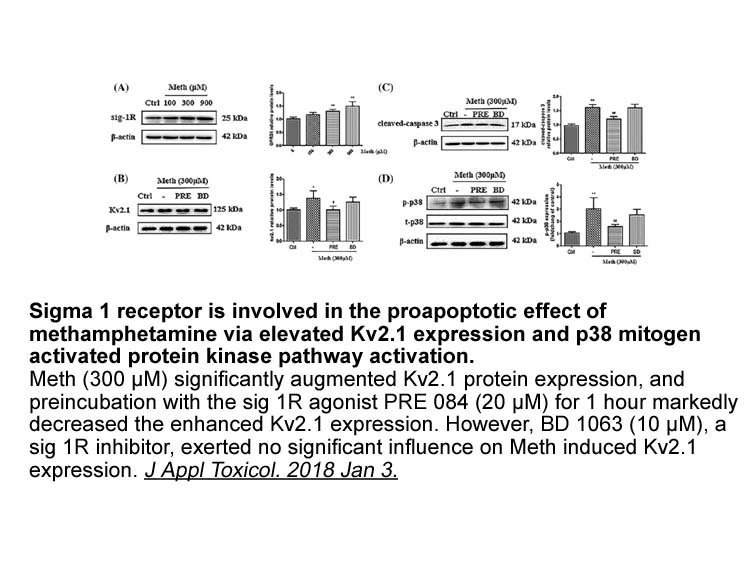
The small GTPase Ran regulates karyopherin–cargo interactions and the directionality of karyopherin-mediated transport. Like other Ras-family GTPases, Ran cycles between GTP- and GDP-bound states, and the two surface loops in Ran, referred to as the switch I and switch II loops, undergo significant
-
br System description and data collection Fig shows
2021-02-09
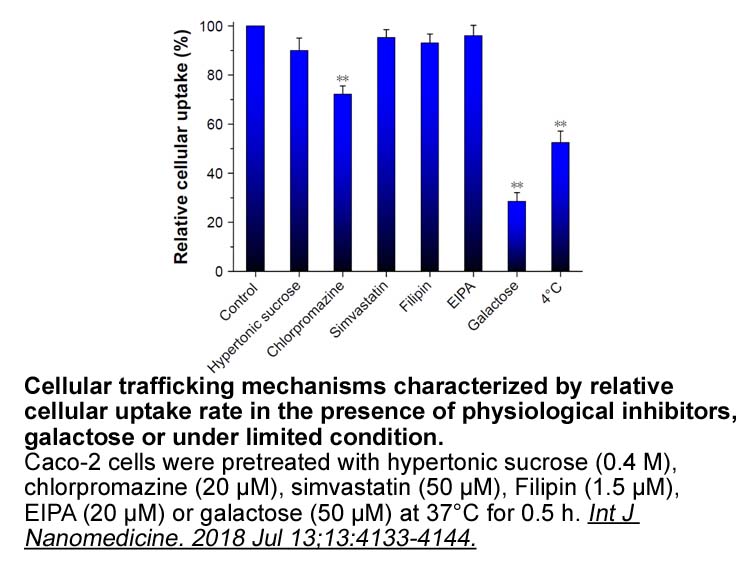
System description and data collection Fig. 1 shows the arrangement of the system studied. It provided cooling mdm2 p53 to maintain thermal conditions in an institutional building. The locations of the measured variables (, and ) relating to temperature and flow rate are indicated in Fig. 1. The
-
Organ fibrosis is thought to be
2021-02-09
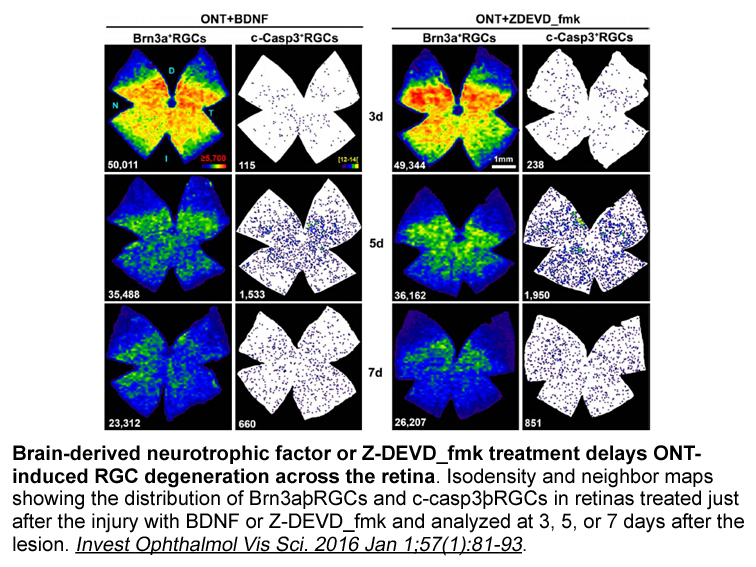
Organ fibrosis is thought to be initiated by repeated or chronic epithelial injury. The current belief is that damaged epithelial exactly induce an aberrant and unresolved wound repair process by activating fibroblasts via various profibrotic cues. Upon injury, epithelial cells activate the profibr
-
Interestingly global EGFR depletion increased the rate
2021-02-09
Interestingly, global EGFR depletion increased the rate of cell elimination everywhere in the notum (Figures 2B–2D), irrespective of the deformation status of the cells. Accordingly, we found that Alfacalcidol are not any more sensitive to stretching upon EGFR depletion (Figures S6A–S6C; Video S5).
-
br Materials and methods br Results br
2021-02-09
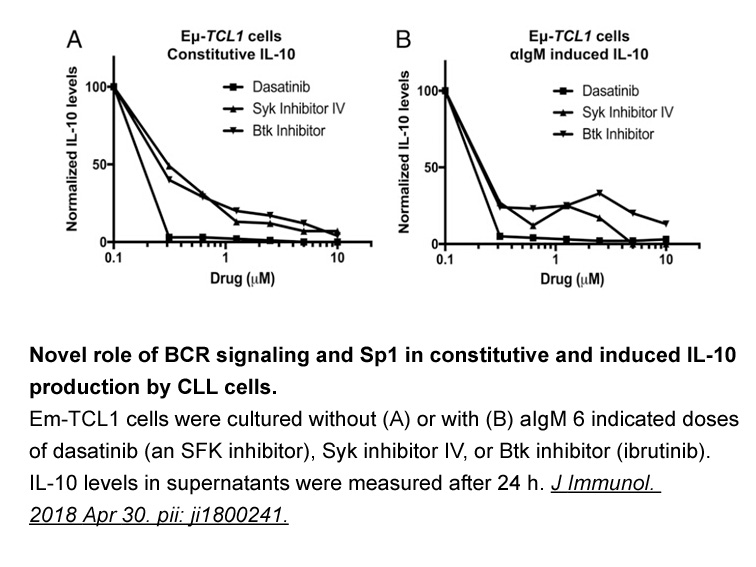
Materials and methods Results Discussion Innate immunity plays an essential role in the control and elimination of bacterial infection through production of inflammatory cytokines (Liu et al., 2015). Production of inflammatory cytokines requires the recognition of bacterial pathogen-associa
-
br Abbreviations br Acknowledgements br Introduction Dopamin
2021-02-09
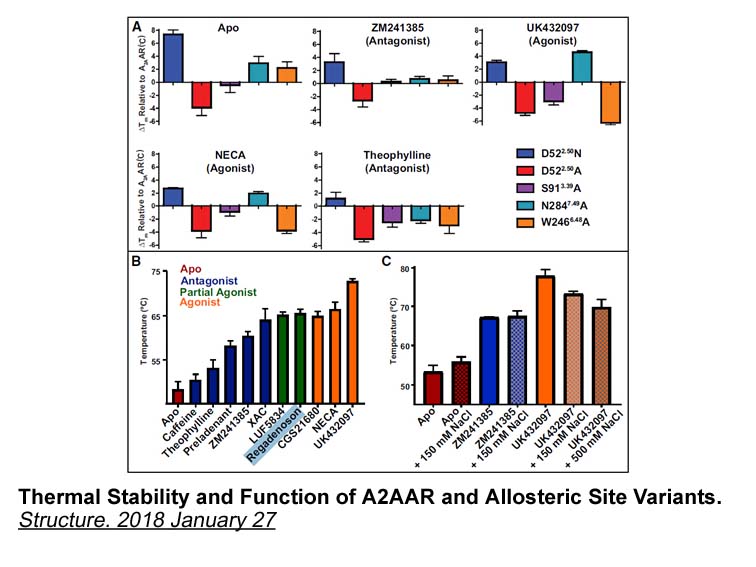
Abbreviations Acknowledgements Introduction Dopamine β-hydroxylase (DbH) is the enzyme catalysing the conversion of dopamine to norepinephrine, two important neurotransmitters involved in the central nervous system [1]. This enzyme has been isolated from bovine chromaffin granules as a tetr
-
br Conclusion In conclusion DNA
2021-02-09

Conclusion In conclusion, DNA methylation is a major epigenetic mark, which regulates temporal and spatial expression of the testicular genes required for normal spermatogenesis process. There are two types of methylation, maintenance and de novo methylation, which are catalysed by DNMT1, DNMT3A
-
The most significant source of DAG originates
2021-02-08
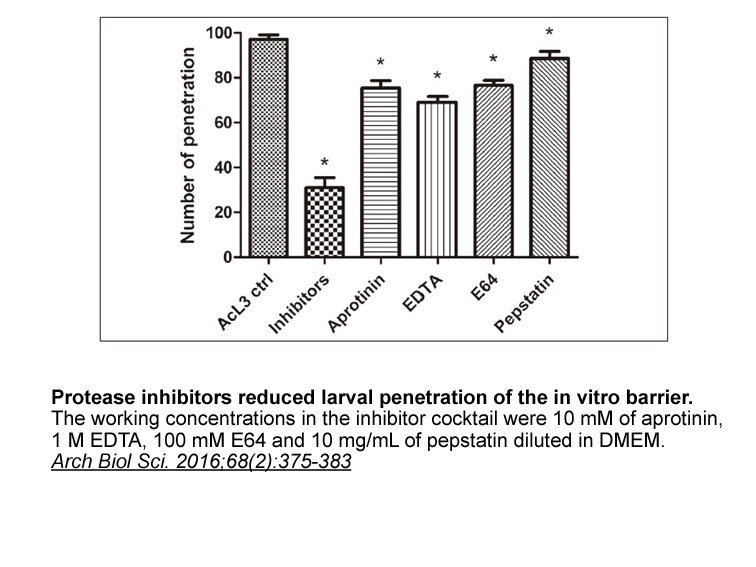
The most significant source of DAG originates from the PLC family of enzymes, which produces DAG in an agonist-regulated reaction. PLCs constitute a wide family of enzymes acting on both phosphatidilinositols (PI) and phosphatidilcoline (PC) (Li et al., 2010) in the plasma membrane and other intrace
-
Inhibition of DHODH is reflected by
2021-02-08
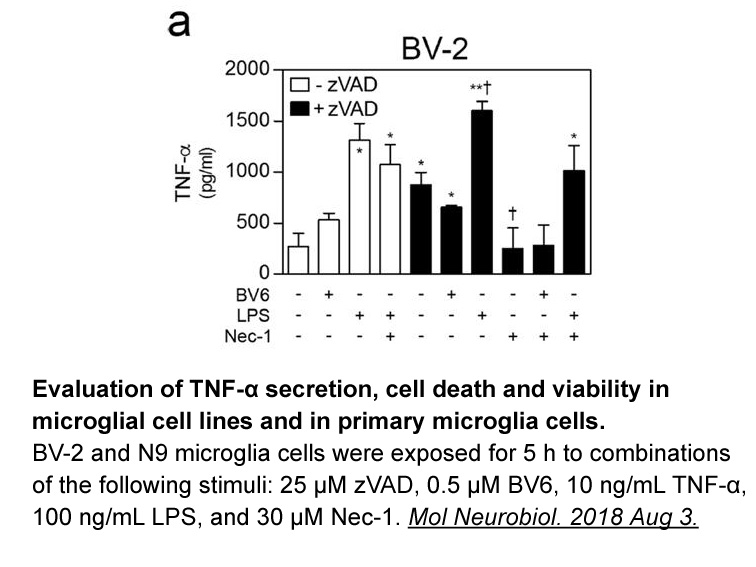
Inhibition of DHODH is reflected by an antiproliferative effect on peripheral blood mononuclear Isochlorogenic acid C (PBMCs), which can be measured by the inhibitory effect on their phytohemagglutinin (PHA) stimulated growth. The test was performed as described in the reference. Data for few selec
-
To date methods for the
2021-02-08
To date, methods for the simultaneous analysis of multiple probe drugs in the plasma have been described by using HPLC-DAD or LC–MS/MS. Although previous cocktail methods have used combinations of those four or other probe drugs with LC–MS/MS methods, most of those studies focused on only the analys
-
ddhUTP molecular Nuclear export mediated by CRM is initiated
2021-02-08
Nuclear export mediated by CRM1 is initiated by an interaction between RanGTP and the HEAT9 loop of CRM1, triggering a conformational change in the NES binding site that permits NES–cargo protein binding (Dong et al., 2009, Fung and Chook, 2014). Our docking simulation results predicted that DP2392-
-
Nearly years ago the first two
2021-02-08
Nearly 60years ago, the first two nevertheless which catalyze the phosphorylation of proteins were discovered [1]. Protein phosphorylation was originally identified as a regulatory mechanism for the control of glycogen metabolism. Today it is clear that protein phosphorylation regulates most aspect
-
br Author Contributions br Funding Canadian Institutes of He
2021-02-08
Author Contributions Funding Canadian Institutes of Health Research, operating grant NMD-83126 and the internal funding from the National Research Council Canada, Charlottetown, PE, Canada. Disclosure Statement Acknowledgements Introduction Cholesterol is an essential structural comp
-
br Methods br Results br Discussion Literature showed SN
2021-02-08
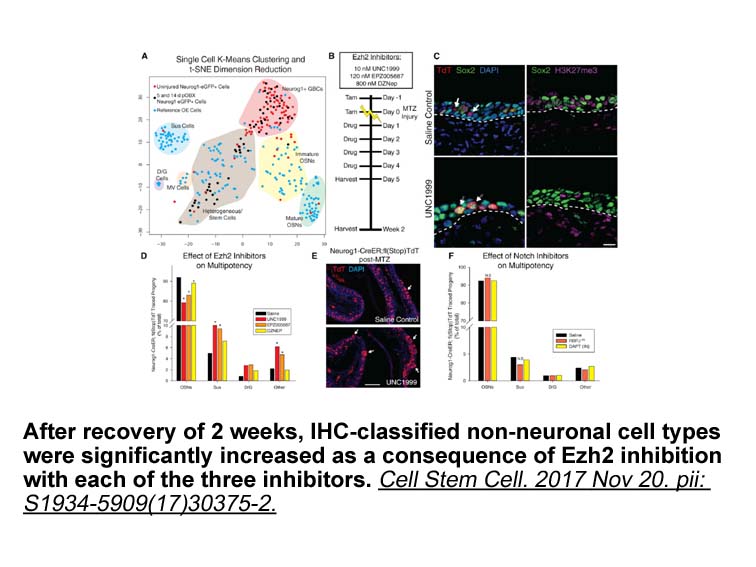
Methods Results Discussion Literature showed SN was well studied for its antigastric ulcer, antiinflammatory, antihyperglycemic, and antihyperlipidemic properties. Although a recent publication reported that SN was found to exert its regulatory effect in animal cholesterol levels, the exact
-
Abbas et al studied the
2021-02-08

Abbas et al. studied the mitigation of ASR in their corresponding study by incorporating RHA [1]. These researchers used Ordinary Portland Cement (OPC), four different percentages (i.e., 10%, 20%, 30% and 40% by weight of OPC) of RHA and reactive aggregate (sand from Dolomite-limestone rock) in thei
16753 records 770/1117 page Previous Next First page 上5页 766767768769770 下5页 Last page