Archives
- 2026-10
- 2026-09
- 2026-08
- 2026-07
- 2026-06
- 2026-05
- 2026-04
- 2026-03
- 2026-02
- 2026-01
- 2025-12
- 2025-11
- 2025-10
- 2025-09
- 2025-03
- 2025-02
- 2025-01
- 2024-12
- 2024-11
- 2024-10
- 2024-09
- 2024-08
- 2024-07
- 2024-06
- 2024-05
- 2024-04
- 2024-03
- 2024-02
- 2024-01
- 2023-12
- 2023-11
- 2023-10
- 2023-09
- 2023-08
- 2023-07
- 2023-06
- 2023-05
- 2023-04
- 2023-03
- 2023-02
- 2023-01
- 2022-12
- 2022-11
- 2022-10
- 2022-09
- 2022-08
- 2022-07
- 2022-06
- 2022-05
- 2022-04
- 2022-03
- 2022-02
- 2022-01
-
There are five main research findings regarding possible
2022-10-12
There are five main research findings regarding possible mechanisms of low-level HBsAg expression: Most of these findings are related to the use of antiviral therapy, which results in pre-S/S gene mutations, the development of occult hepatitis, the use of immunosuppressants or S gene methylation, b
-
In this precancerous condition though cancer develops
2022-10-12
In this precancerous condition, though cancer develops from the epithelium, the subepithelial connective tissue also play crucial biological role in pathogenesis and progression to malignancy. In this context it may be noted that some recent reports addressed the problem of the mechanical interactio
-
br Introduction Human immunodeficiency virus
2022-10-12
Introduction Human immunodeficiency virus-1 (HIV-1) is a retrovirus that primarily infects components of the human immune system, such as CD4+ T cells, macrophages and dendritic GSK2334470 (Clapham and McKnight, 2001). HIV directly and indirectly destroys CD4+ T cells, which leads to severe immun
-
94 7 synthesis The HIV genome encodes for
2022-10-12
The HIV-1 genome encodes for a variety of viral proteins necessary for target cell entry and viral replication. gp120 is an HIV-1 envelope glycoprotein that mediates viral particle entry by binding to cell surface receptor CD4 and co-receptors CXCR4 and/or CCR5 depending on viral tropism. While CXCR
-
Generally replacement of the aryl group was
2022-10-12
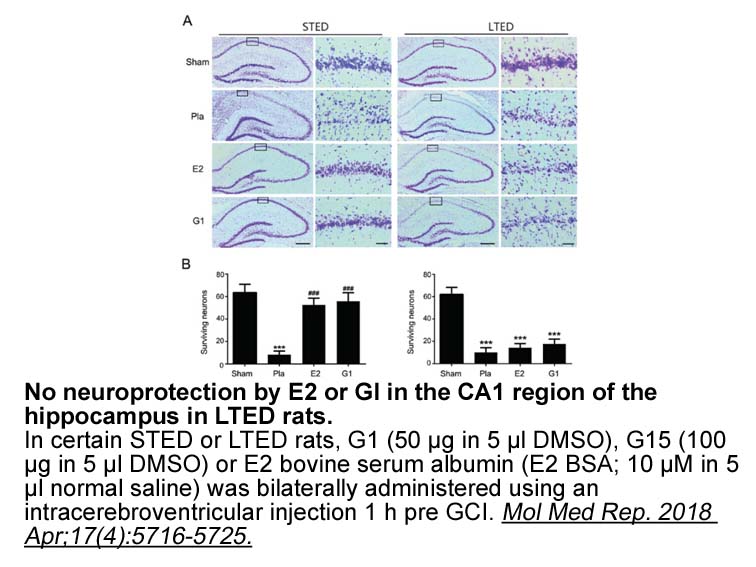
Generally, replacement of the aryl group was well tolerated, with tetrahydropyran () and hydroxyl () functionality providing potency equivalent to and . These substitutions had no effect on selectivity versus GlyT2 and taurine transporter (TauT)—no activity was observed at micromolar concentrations
-
Previously we have shown that the natural flavonoid compound
2022-10-12
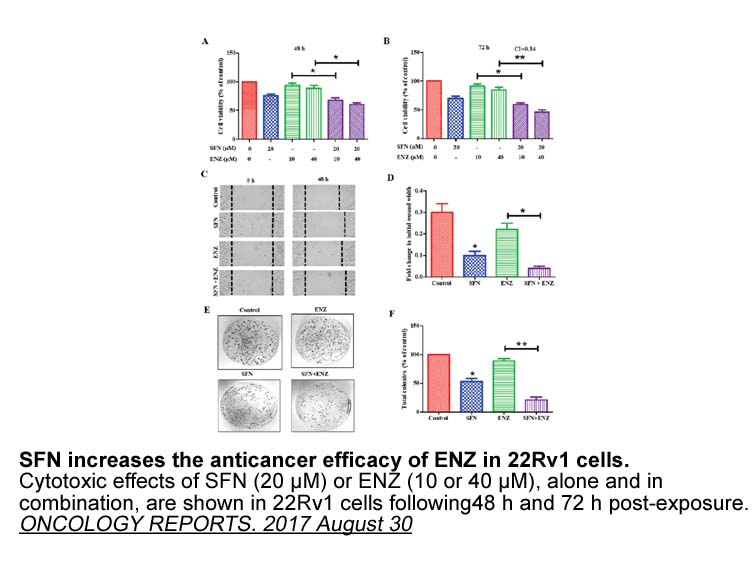
Previously, we have shown that the natural flavonoid compounds that possess C-4 ketone group and C-5 hydroxy group, such as baicalein, luteolin, myricetin and quercetin, effectively inhibit human GLO I. Considering our interest in inhibitors of GLO I and based on the rationale mentioned above, struc
-
Guanethidine Sulfate br Evasion strategies for enhanced ther
2022-10-12
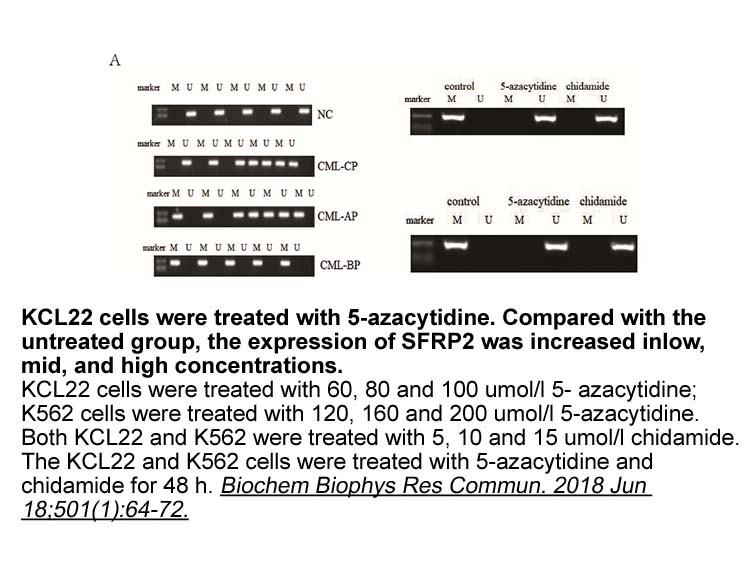
Evasion strategies for enhanced therapeutic outcomes In order to increase AED penetration into the CNS, several strategies have been developed over the years to overcome the activity of efflux transporters, by inhibiting their function or by regulating their expression. Due to the high relevance
-
Previous attempts to minimize the contribution of the compen
2022-10-12
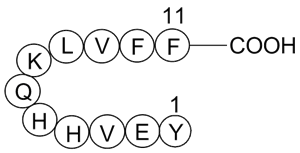
Previous attempts to minimize the contribution of the compensatory changes due to chronic loss of Gcgr, have used temporally-controlled reduction of glucagon levels by alpha-cell ablation, glucagon immunoneutralization, and the use of small molecule or antibody glucagon receptor antagonists [10], [3
-
The focused set of cyclopentapyrazoles produced six compound
2022-10-11
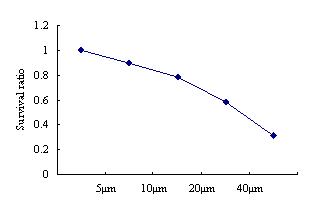
The focused set of cyclopentapyrazoles produced six compounds with sufficient activity to warrant the evaluation of kinetic solubility. Despite the improved activity of the series, these compounds remain stalwartly insoluble (), indicating the need for additional chemical modifications which address
-
Analysis of the i motif structures
2022-10-11
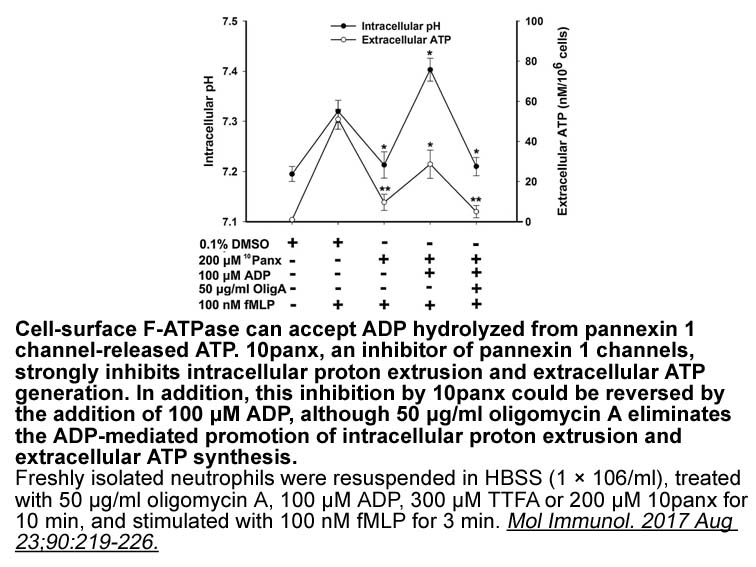
Analysis of the i-motif structures during biased unfolding of G-quadruplexes leads to the conclusion that at acidic pH the i-motif is absolutely unaffected by that process. The hydrogen bonds within the i-motif are intact (Fig. 3D) and they only fluctuate around mean values. On the other hand, the i
-
In a follow up study the same research
2022-10-11
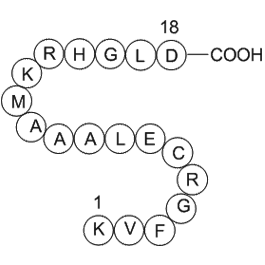
In a follow up study, the same research group further characterized FFA4 involvement in DU145 and PC-3 cancer cell lines by demonstrating that the anti-proliferative and anti-migration activities of FFA4 require the presence of LPA1 receptor (LPA1R), suggesting a mechanism consistent with negative c
-
br Conflicts of interest br
2022-10-11

Conflicts of interest Acknowledgment Introduction The Magnolol growth factor receptors (FGFRs) are a family members of receptor tyrosine kinase (RTK) that represent attractive therapeutic targets for anti-cancer therapy gaining more and more attention in recent years [1], [2]. This family
-
By measuring the accumulation of unprenylated Rap
2022-10-11
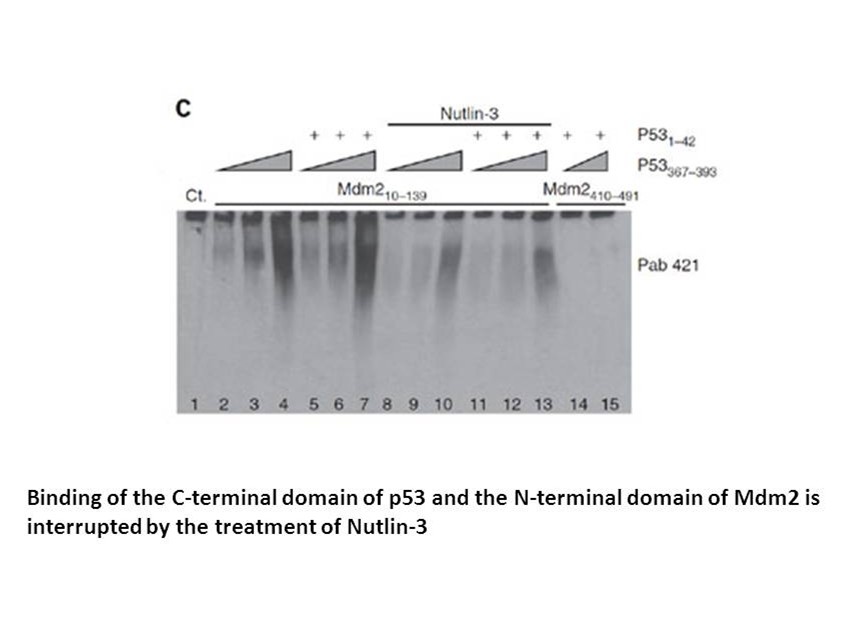
By measuring the accumulation of unprenylated Rap1a as a surrogate marker for the inhibition of FPPS [8], [9], [10], [11], we found that upregulation of FPPS expression in Hela cells reduced the accumulation of unprenylated Rap1a in response to 24h' treatment with 0–50μM ZOL. As expected, cells cult
-
br Materials and methods Male Sprague Dawley rats Faculty of
2022-10-10
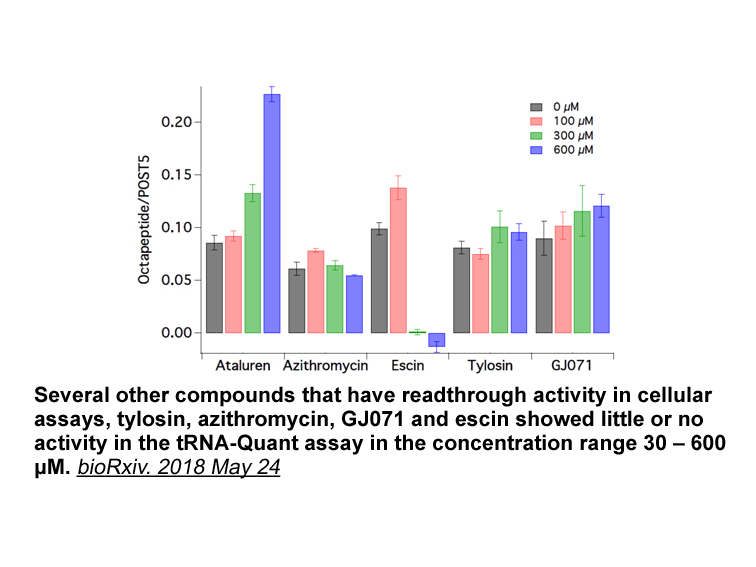
Materials and methods Male Sprague–Dawley rats (Faculty of Pharmacy, Pharos University, Alexandria, Egypt) weighing 180 to 200g were used in this study. All experiments were performed in strict accordance with institutional animal care and use guidelines. Results Discussion The current stu
-
Histone demethylases are involved in the transcriptional out
2022-10-10
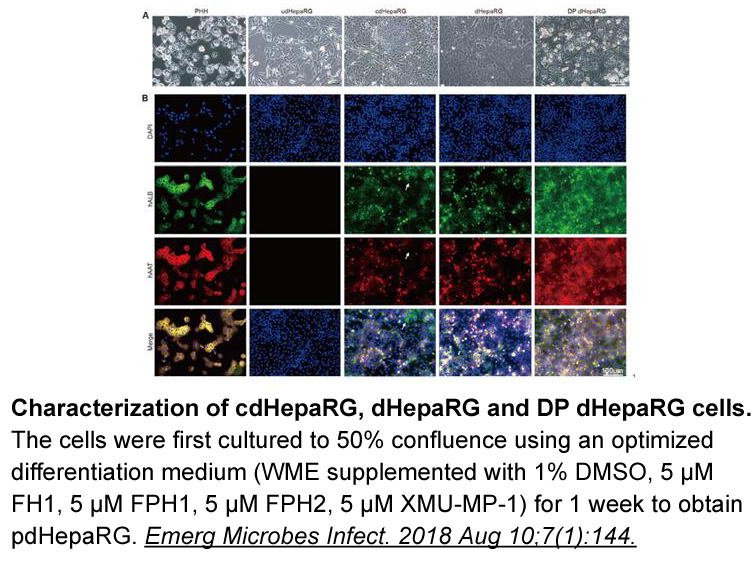
Histone demethylases are involved in the transcriptional output of the AR and hypoxia signaling pathways, and thus contribute to prostate cancer development [12]. For example, the histone demethylase KDM3A serves as a transcriptional coactivator of HIF1α and AR in regulation of their target genes [1
8767 records 437/585 page Previous Next First page 上5页 436437438439440 下5页 Last page