Archives
- 2026-10
- 2026-09
- 2026-08
- 2026-07
- 2026-06
- 2026-05
- 2026-04
- 2026-03
- 2026-02
- 2026-01
- 2025-12
- 2025-11
- 2025-10
- 2025-09
- 2025-03
- 2025-02
- 2025-01
- 2024-12
- 2024-11
- 2024-10
- 2024-09
- 2024-08
- 2024-07
- 2024-06
- 2024-05
- 2024-04
- 2024-03
- 2024-02
- 2024-01
- 2023-12
- 2023-11
- 2023-10
- 2023-09
- 2023-08
- 2023-07
- 2023-06
- 2023-05
- 2023-04
- 2023-03
- 2023-02
- 2023-01
- 2022-12
- 2022-11
- 2022-10
- 2022-09
- 2022-08
- 2022-07
- 2022-06
- 2022-05
- 2022-04
- 2022-03
- 2022-02
- 2022-01
-
2,4-Diacetylphloroglucinol receptor exemplifies three of the
2023-10-24
exemplifies three of the compounds investigated in the selection for a candidate drug (CD). Our first criteria was an IC 2,4-Diacetylphloroglucinol receptor as such did not show any genotoxicity in the SOS/umu assay, but this does not say anything about any possible genotoxicity of its metabolites o
-
It has been reported that Daxx
2023-10-24
It has been reported that Daxx, an interacting partner of MCRS2/MSP58, promotes ASK1 activation following direct interaction with ASK1 [10], [11]. However, it has not been determined whether MCRS2 is involved in ASK1 signalling. In this study, we identified the direct interaction between MCRS2 and A
-
AP activity is increased by MAP kinase stimulation in differ
2023-10-24

AP-1 activity is increased by MAP kinase stimulation in different cell types (Whitmarsh and Davis, 1996), while MKP-1, the enzyme that catalyzes the dephosphorylation and inactivation of MAP kinases in the nucleus, inhibits AP-1 (Rössler et al., 2008, Rössler and Thiel, 2009, Mayer et al., 2011, Thi
-
In addition enhanced AT receptor function
2023-10-24
In addition, enhanced AT1 receptor function abnormally increases central and sympathetic activity, contributing to cardiac and renal disease, which in turn alters homeostasis, increases vulnerability to stress, and further injures the brain, and that AT1 receptor blockade ameliorates excessive sympa
-
The apocrine sweat glands of
2023-10-24
The apocrine sweat glands of the human axilla produce odor substances with pheromone functions whose nature corresponds to volatile steroids (Cowley and Brooksbank, 1991, Grosser et al., 2000, Sobel et al., 1999, Weller, 1998). These functions only begin with puberty, indicating that sex hormones st
-
br AR mediated actions in cells of the
2023-10-24
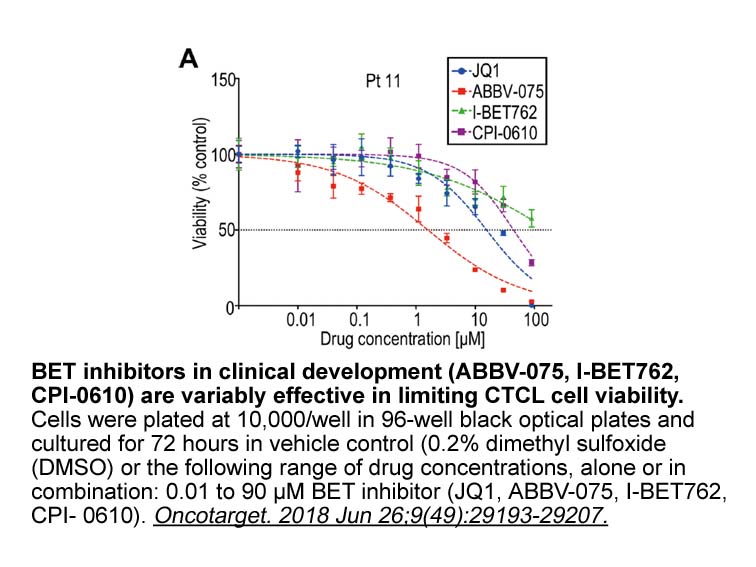
AR-mediated actions in trans-AUCB of the vascular wall Sex hormones may influence the size and composition of atherosclerotic lesions indirectly by modifying systemic cardiovascular risk factors such as plasma lipids profiles and insulin sensitivity; this aspect of their action is discussed else
-
Linagliptin is a recently approved dipeptidyl peptidase DPP
2023-10-24
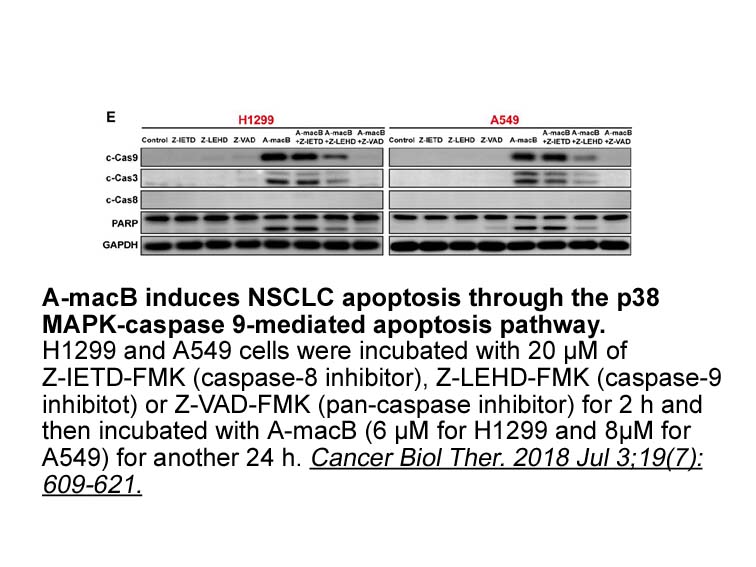
Linagliptin is a recently approved dipeptidyl peptidase-4 (DPP-4) inhibitor and widely considered as first-line treatment for patients with type 2 diabetes. DPP-4 is responsible for the inactivation of incretin hormones, such as glucagon-like peptide 1 (GLP-1). GLP-1 is released by the intestine aft
-
RNA interference assays have shown
2023-10-24

RNA interference assays have shown that the inhibition of AMPK expression leads to increases in TNF-α, IL-6 and cyclooxygenase-2 (COX-2) levels after LPS stimulus, whereas the transfection of macrophages with a constitutively active form of AMPKα1 results in decreased LPS-induced TNF-α and IL-6 prod
-
acetylcholine inhibitor Besides the described changes in pro
2023-10-24
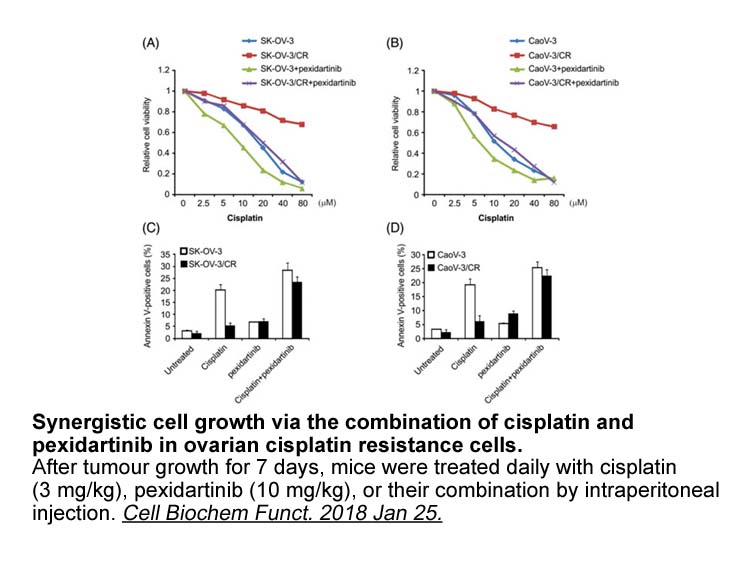
Besides the described changes in protein expression and thus in current amplitudes, acetylcholine inhibitor of PORCN also leads to accelerated decay kinetics of evoked and spontaneous AMPAR currents. These changes in channel kinetics are most likely a secondary effect due to the selective depletion
-
br Material and methods br Results br Discussion Although
2023-10-24
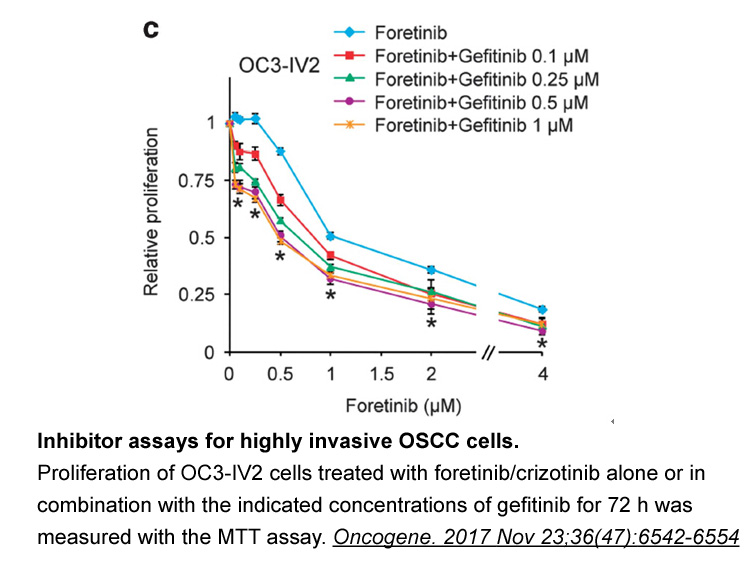
Material and methods Results Discussion Although we were not able to detect 12/15-LOX mRNA in the lungs of 12/15-LOX knockout mice substantial amounts of 15-HETE could be detected in BALF. In fact, significant synthesis of 15-HETE in 12/15-LOX mice have been already reported [17]. The redun
-
Recently rather than predicting categorical
2023-10-24
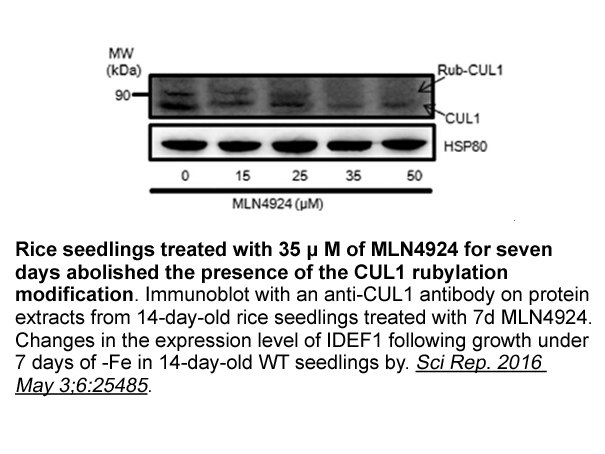
Recently, rather than predicting categorical variables as in classification, several studies begin to estimate continuous clinical variables from Cy3 RNA images. Therefore, instead of classify a subject into binary or multiple pre-determined categories or stages of the disease, regression focus on e
-
We next considered the effect of alkyl
2023-10-24
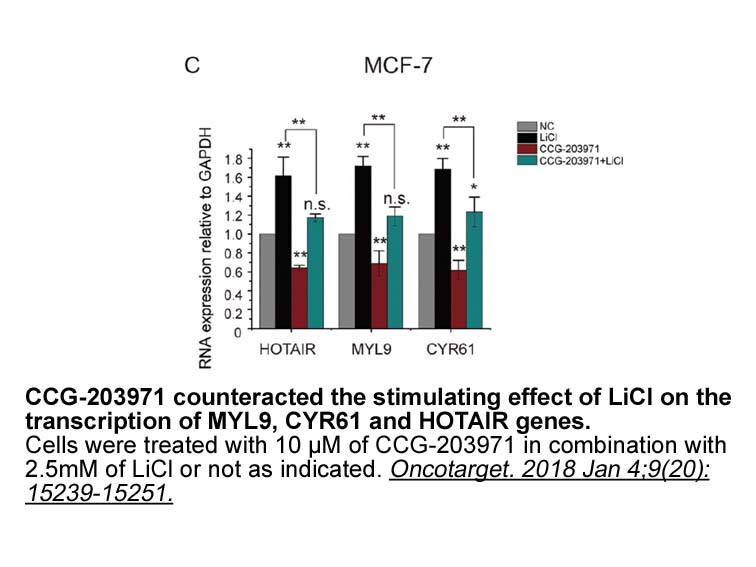
We next considered the effect of alkyl chain length on the inhibitory activity. As can be seen from , it is obvious that there is no proportional relationship between the methylene chain length and activity. The activity decreased when the chain length increased from 1 to 3 and increased with elonga
-
br Impact of global AHR deficiency on diet induced
2023-10-24
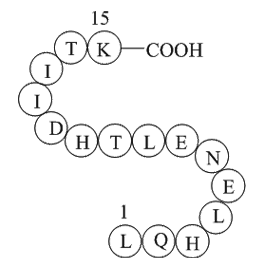
Impact of global AHR deficiency on diet-induced obesity Two subsequent studies in which AHR function was affected at the whole animal level corroborated the role of AHR in dietary obesity. Xu et al. [14] showed that on a high-fat diet, both AHR-deficient Ahr−/− and hemizygous Ahr+/− mice gained s
-
This chemistry paved way for multi gram
2023-10-24
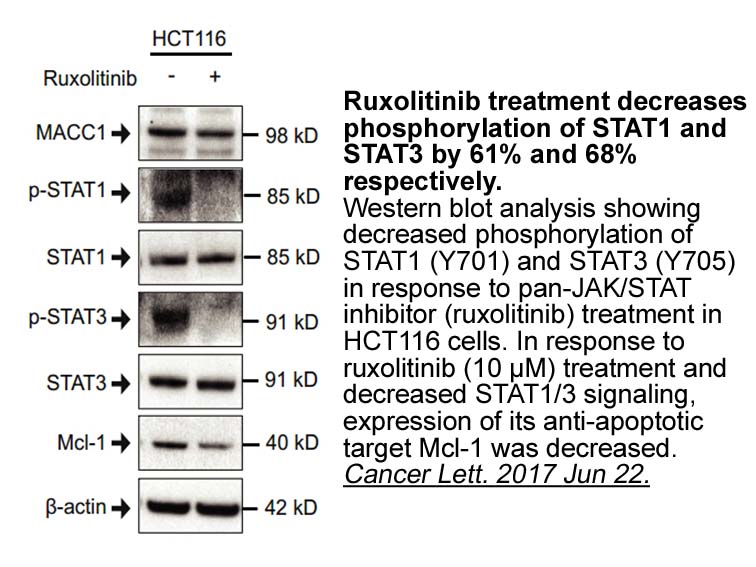
This chemistry paved way for multi-gram synthesis of which was utilized for extensive piperazine benzamide SAR exploration. Depicted in , the two-step operation towards final targets involved standard amide coupling conditions with EDC or HATU followed by Boc deprotection under acidic conditions.
-
br Methods br Results br
2023-10-24
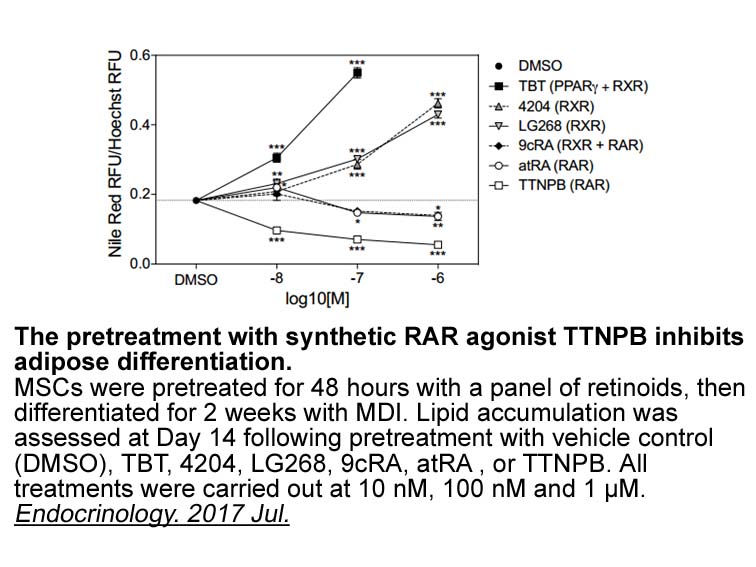
Methods Results Discussion Acknowledgements This work was supported by the National Institutes of Health [Grant R21 NS081429], a Pilot Grant from the Vanderbilt Conte Center supported by the National Institutes of Health [Grant P50 M096972], and by the Department of Anesthesiology at V
8770 records 302/585 page Previous Next First page 上5页 301302303304305 下5页 Last page