Archives
- 2026-10
- 2026-09
- 2026-08
- 2026-07
- 2026-06
- 2026-05
- 2026-04
- 2026-03
- 2026-02
- 2026-01
- 2025-12
- 2025-11
- 2025-10
- 2025-09
- 2025-03
- 2025-02
- 2025-01
- 2024-12
- 2024-11
- 2024-10
- 2024-09
- 2024-08
- 2024-07
- 2024-06
- 2024-05
- 2024-04
- 2024-03
- 2024-02
- 2024-01
- 2023-12
- 2023-11
- 2023-10
- 2023-09
- 2023-08
- 2023-07
- 2023-06
- 2023-05
- 2023-04
- 2023-03
- 2023-02
- 2023-01
- 2022-12
- 2022-11
- 2022-10
- 2022-09
- 2022-08
- 2022-07
- 2022-06
- 2022-05
- 2022-04
- 2022-03
- 2022-02
- 2022-01
-
In this study Rb increased the phosphorylation of p
2024-04-22
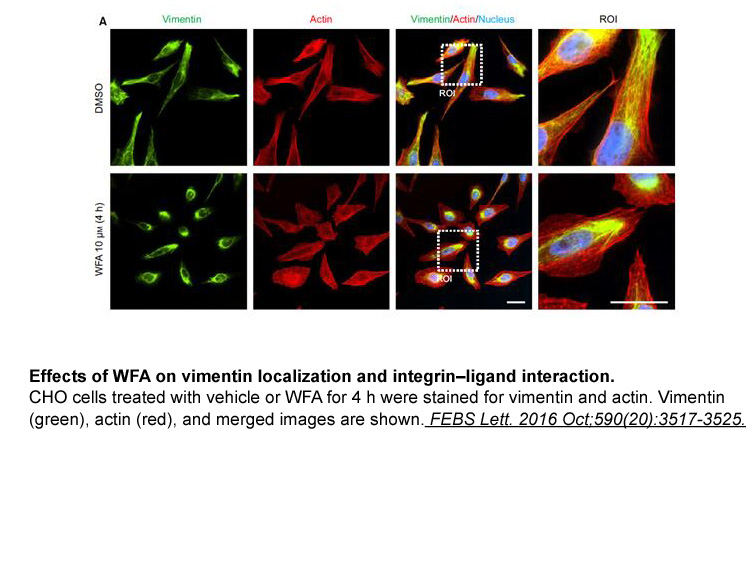
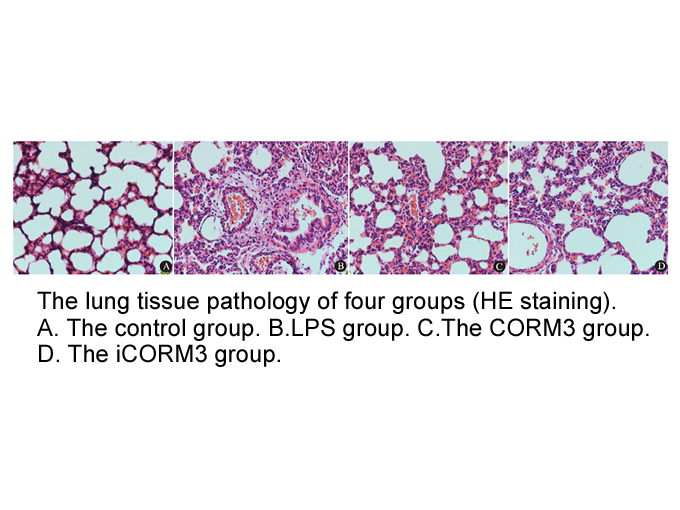
In this study, Rb1 increased the phosphorylation of p38 MAPK and Akt and macrophage phagocytosis of bacteria in mouse lung cells, consistent with the in vitro results. A recent study showed that Rb1 diminished the severity of lung injury in rats exposed to LPS. Rb1 inhibited the LPS-induced increase
-
The macrophage is the major cell type responsible
2024-04-22

The macrophage is the major cell type responsible for cholesterol uptake and metabolism associated with the initiation and progression of atherosclerosis in focal areas of the arterial subendothelial space. In advanced atherosclerotic lesions of cardiovascular disease, cholesterol-induced macrophage
-
Although the effects of adenosine receptor signaling
2024-04-19
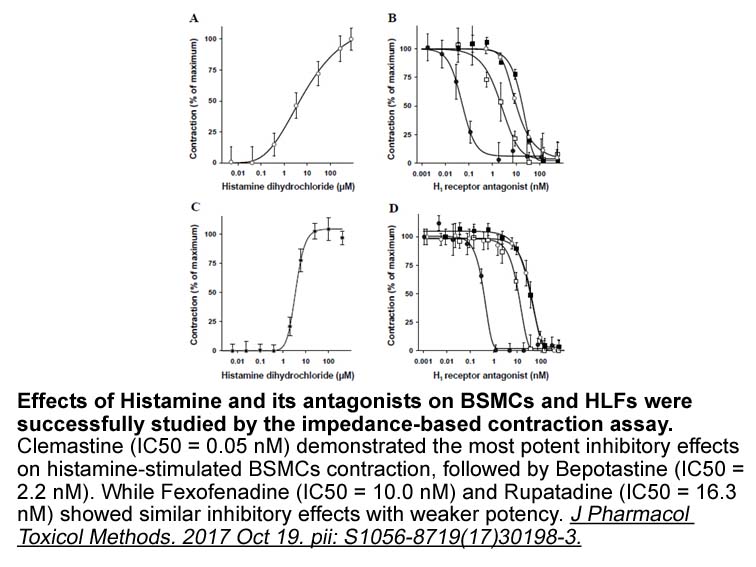
Although the effects of adenosine receptor signaling in acute renal IRI have been attributed to the generation of high concentrations of adenosine, we have recently reported an increase in kidney levels of both AMP and adenosine, with a concomitant fall in ATP and ADP. We have also previously demon
-
br Occurrence of Inosine in RNA Inosine is widespread
2024-04-19
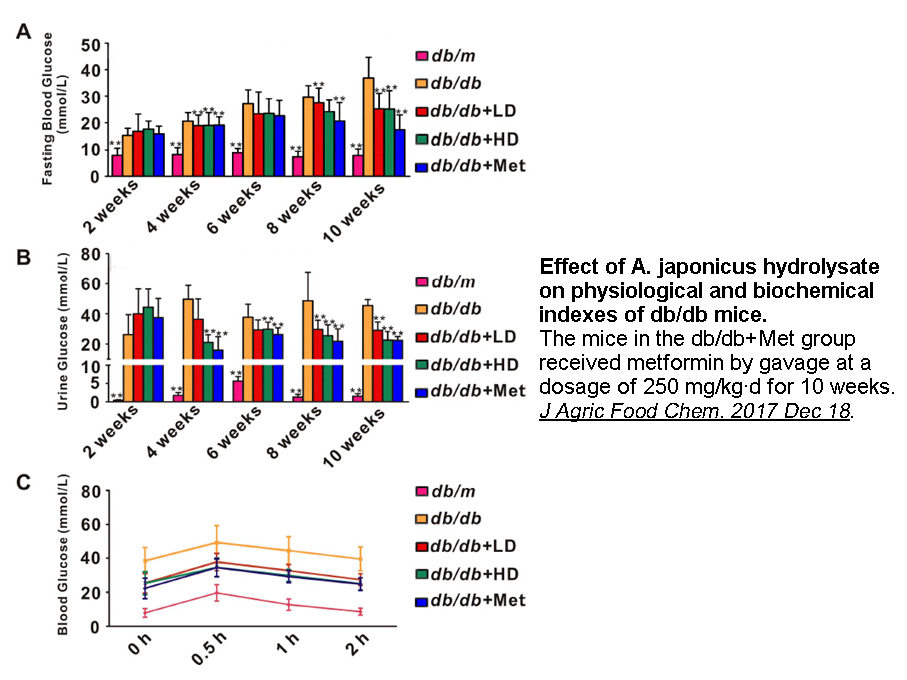
Occurrence of Inosine in RNA Inosine is widespread among various types of RNAs including transfer RNA (tRNA), ribosomal RNA (rRNA), messenger RNA (mRNA), long noncoding RNA (lncRNA), and microRNA (miRNA). Within these RNAs, inosine can appear in different locations as well. Table 1 lists examples
-
br Antioxidative stress and anti inflammation Oxidative
2024-04-19
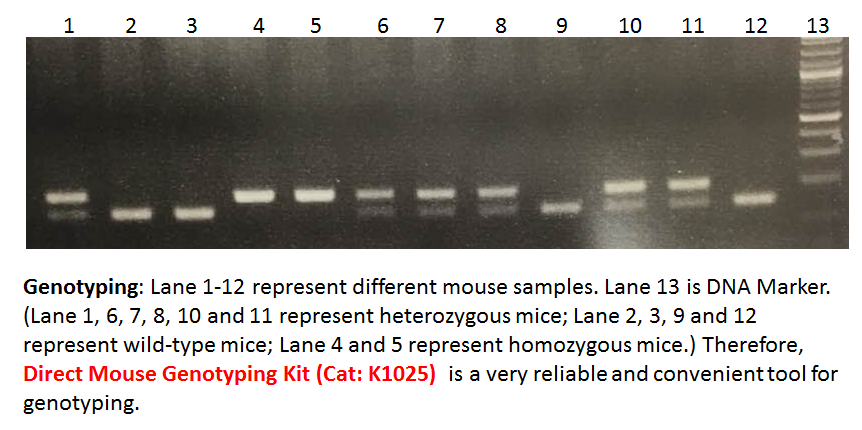
Antioxidative stress and anti-inflammation Oxidative stress is a major cause of reduced endothelial NO bioavailability in hypertension, and inflammatory response is thought to play an important role in these processes (Blake and Ridker, 2001, Landmesser et al., 2006). Reactive oxygen species (ROS
-
br Introduction The principal pathways of adrenal and
2024-04-19
Introduction The principal pathways of adrenal and gonadal steroidogenesis have been known for over 50 years (reviewed by Miller and Auchus, 2011). Cholesterol is first converted to pregnenolone via three reactions, 20-hydroxylation, 22-hydroxylation and scission of the 20,22 carbon–carbon bond,
-
Mistletoe is universal name for various species
2024-04-19
Mistletoe is universal name for various species of parasitic plant which grows attached to and within the branches of host trees such as apple, elm, oak and pine. Mistletoe extract prepared from Viscum album, a species of mistletoe in the family Santalaceae, is generally known as European mistletoe
-
Our sample is representative of mRCC treated with sunitinib
2024-04-19
Our sample is representative of mRCC treated with sunitinib. However, the results from CCC setting have limited inference due to small exploratory sample (n = 51). Additionally, the significance of survival differences in CCC according to AXL staining is tangential. Unfortunately, we were unable to
-
Further analysis sought to understand the mechanism associat
2024-04-19

Further analysis sought to understand the mechanism associated with the autotaxin-mediated increase of miR-489-3p in circulation. Based upon sequence complementarity, DIANA TarBase predicted miR-489-3p targets MAPK2K1, or MEK1, an oncogene widely dysregulated in cancer (Fig. 4A). To test this relati
-
What can we learn about the anticancer therapeutic efficacy
2024-04-19
What can we learn about the anticancer therapeutic efficacy of Aurora kinase inhibitors from our experience with the Bcr-Abl inhibitors and the long term clinical consequence of their use in treating leukemias? As discussed, all Aurora kinase inhibitors developed to date are ATP-competitive inhibito
-
Our data indicate that the D domain only
2024-04-19
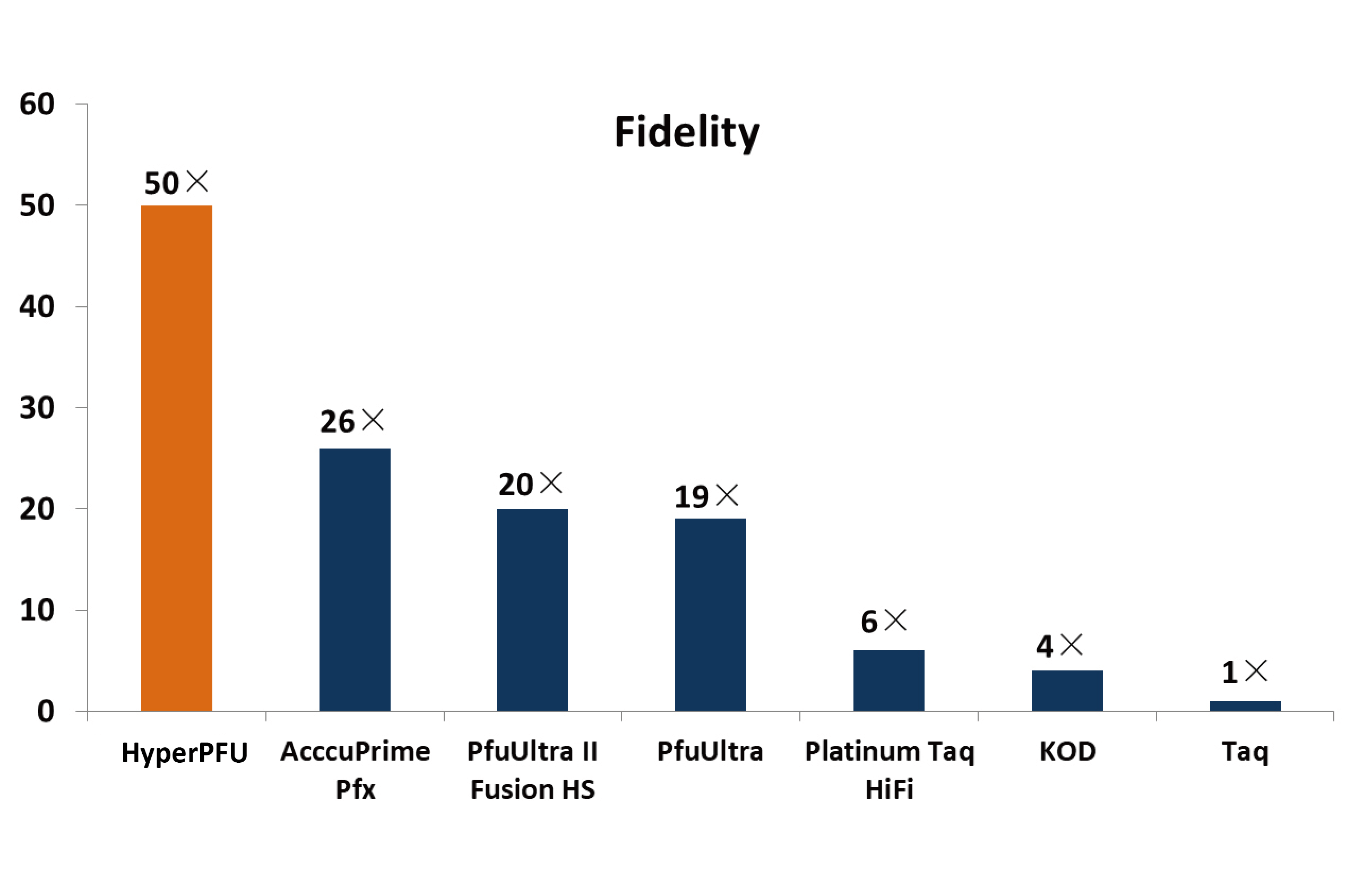
Our data indicate that the D1 domain only needs to hydrolyze ATP a few times, or perhaps even just once, during the processing of a given substrate molecule, whereas the D2 domain hydrolyzes ATP many times. Consistent with this model, only D2 contains the canonical aromatic pore loop residues implic
-
br Synthetic lethal approaches In addition
2024-04-19
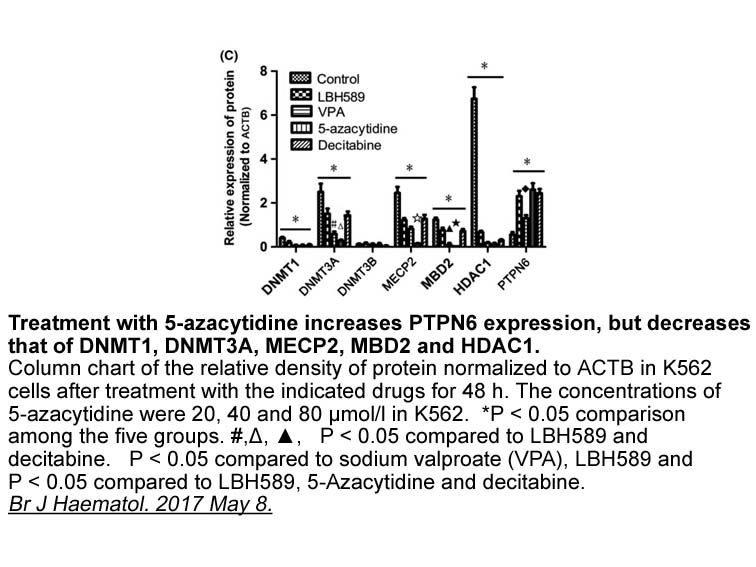
Synthetic lethal approaches In addition to the potential utility of ATM and ATR as chemo- or radiosensitisers, recent studies suggest that such compounds may have single agent activity in certain subsets of patients through induction of synthetic lethality. Two genes are considered synthetically
-
Additionally we used the predicted Cyp a
2024-04-19
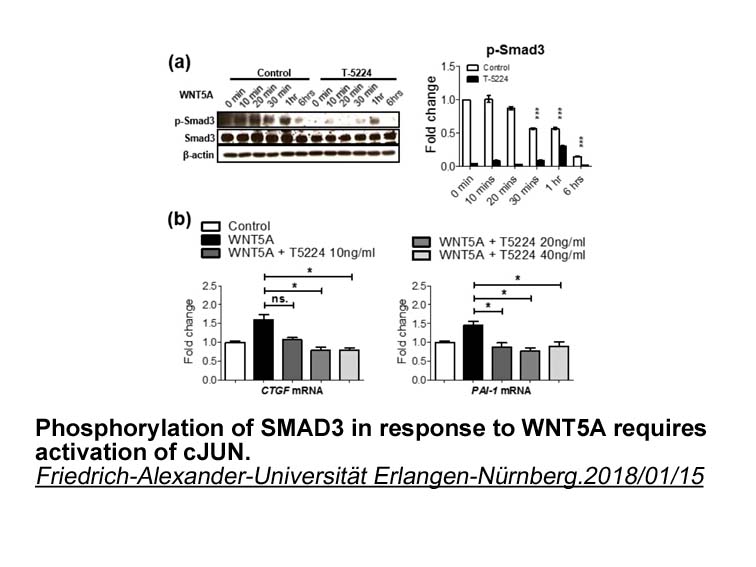
Additionally, we used the predicted Cyp19a1b amino K-7174 sequence from a number of bony fish species to infer their genetic relatedness and found that R. quelen occupies an ancient position within the Siluriformes group. A phylogenetic tree was constructed and it included both full-length and part
-
To clarify the molecular mechanism of maduramicin induced
2024-04-19
To clarify the molecular mechanism of maduramicin-induced apoptosis in chicken myocardial cells, the mRNA levels of bcl-2, bax, and cytochrome C, as well as the mRNA levels and activities of caspase-3/8/9 were determined. The mRNA expressions and activities of initiator casapase-9 and executioner ca
-
The transcription factor activator protein AP is a
2024-04-19
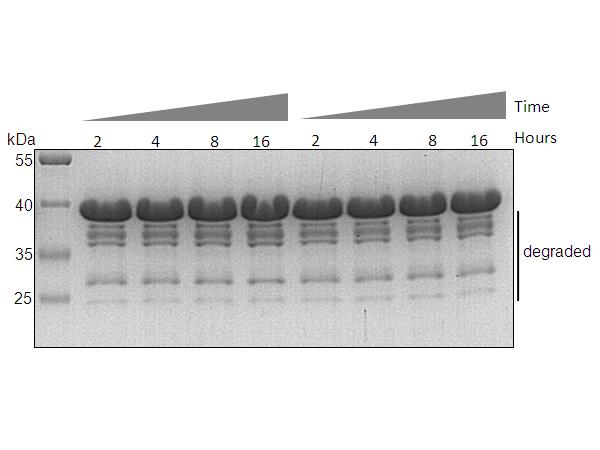
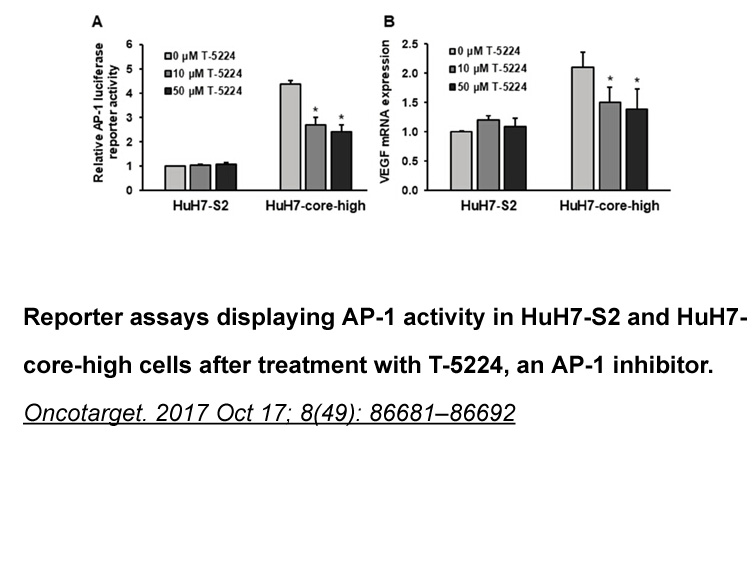
The transcription factor activator protein-1 (AP-1) is a redox-sensitive transcription factor whose activity is controlled by agents that perturb intracellular thiol concentrations [10,11]. AP-1 is mainly composed of Jun, Fos, and ATF protein dimers [12,13]. AP-1 mediates the regulation of numerous
8771 records 202/585 page Previous Next First page 上5页 201202203204205 下5页 Last page